Agentic Orchestration
Orchestrates parallel investigations across subagents with independent contexts, enabling them to challenge assumptions, refine conclusions through evidence, and synthesize their findings into comprehensive results.
From Long-Horizon Execution to Scientific Exploration with Capability Composition
A 35B Mixture-of-Experts agentic model with enhanced capabilities across engineering, long-horizon search, scientific research, instruction following, and tool calling. Building on the foundation of Agents-A1.
Sage-A1.5 introduces new agentic modes and strengthens core capabilities across engineering, scientific research, and general agentic tasks.
Orchestrates parallel investigations across subagents with independent contexts, enabling them to challenge assumptions, refine conclusions through evidence, and synthesize their findings into comprehensive results.
An opt-in self-review capability that lives inside the model's own chain of thought — the model pauses mid-trajectory to review what it has established and what has failed, then acts on a revised direction in the same turn, with no external critic.
Solves complex software engineering tasks end-to-end, from understanding codebases and writing patches to running tests across multiple languages and frameworks.
Tackles multidisciplinary scientific problems by combining domain reasoning, literature retrieval, data analysis, and evidence verification across physics, chemistry, biology, and beyond.
Handles diverse long-horizon agent workflows including tool calling, web browsing, instruction following, and multi-step planning in open-ended environments.
Sage-A1.5 is evaluated across engineering tasks, long-horizon search, scientific research, instruction following, and general agentic tasks.
Hover over any bar to inspect the model and score. Blue bars mark Sage-A1.5.
Explore interactive demos showcasing Sage-A1.5's agentic capabilities and scientific applications across diverse real-world scenarios.
The building blocks of reliable scientific agents.
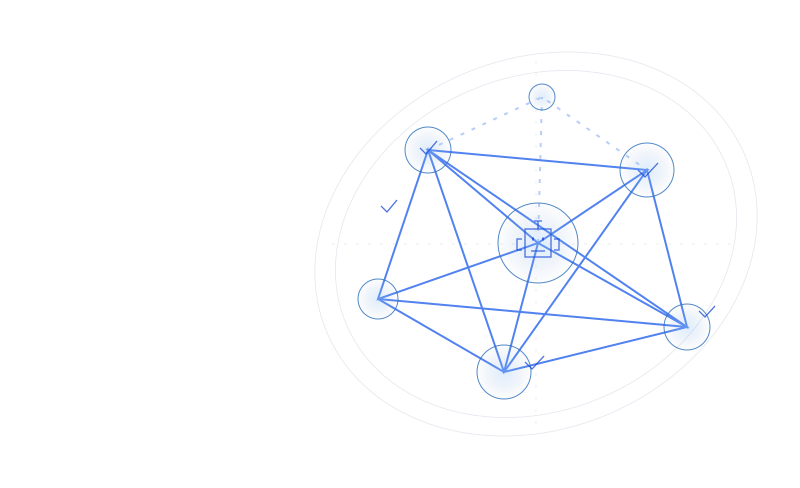
Delegate tasks as research progresses. Subagents work in parallel, check key assumptions and pool their evidence to reach a comprehensive conclusion.
Compare runs with and without Agentic Verification through reflection excerpts, strategy changes and search results.
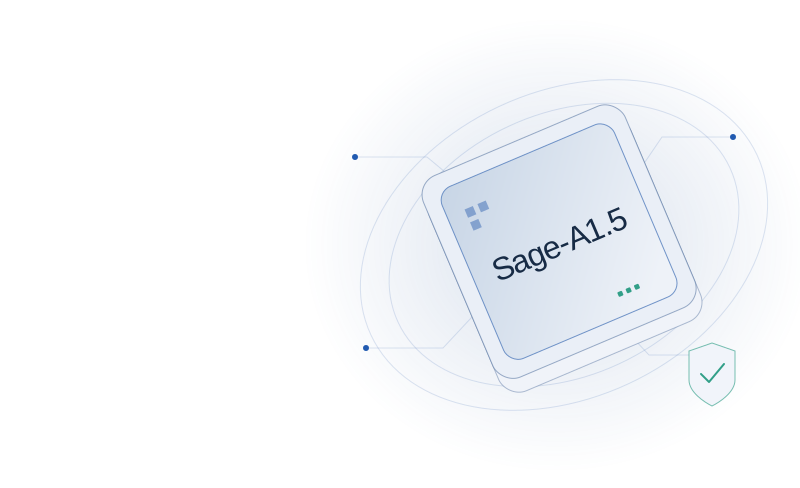
Explore hardware deployment guides and a recorded search task showing model execution, tool calls and the final answer.
Gather information, connect evidence, and work through complex scientific questions.
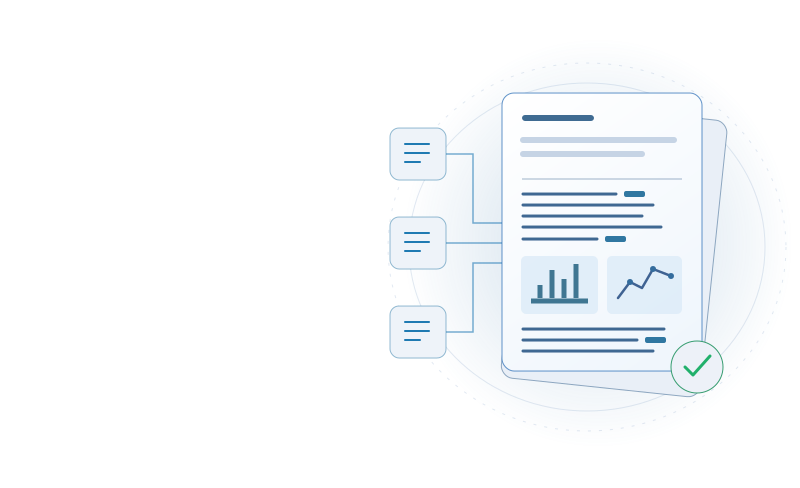
Follow task planning, parallel execution and revisions through the research pipeline, figure generation and a cited report.
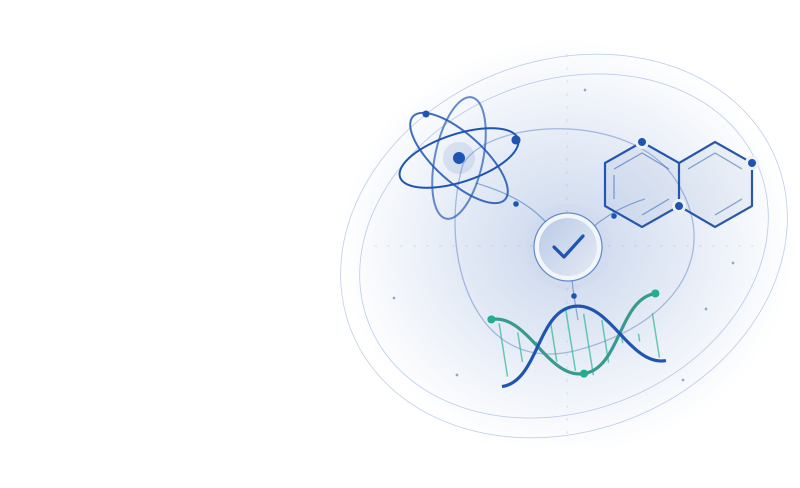
Connect retrieval, reasoning and repeated verification through solution traces and conclusions in physics, chemistry and biology.
From a defined scientific brief to an independently executed research investigation.

Explore ten professional workflows across engineering, scientific auditing, planning, data and security, with native tool outputs, recorded decisions and inspectable results.
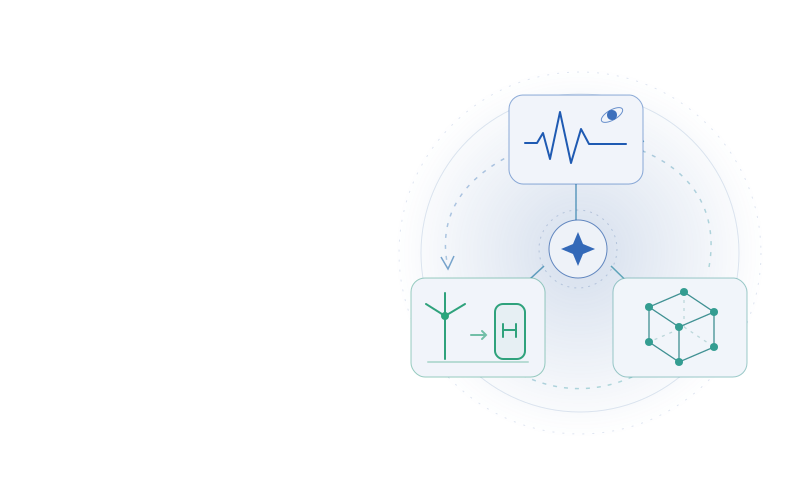
Follow three studies from problem understanding through analysis to inspectable code, figures and reports.
Scientific problems, with questions and objectives shaped by scientists.

Use statistical checks and anatomical mapping to revisit shared coding structure in existing data.
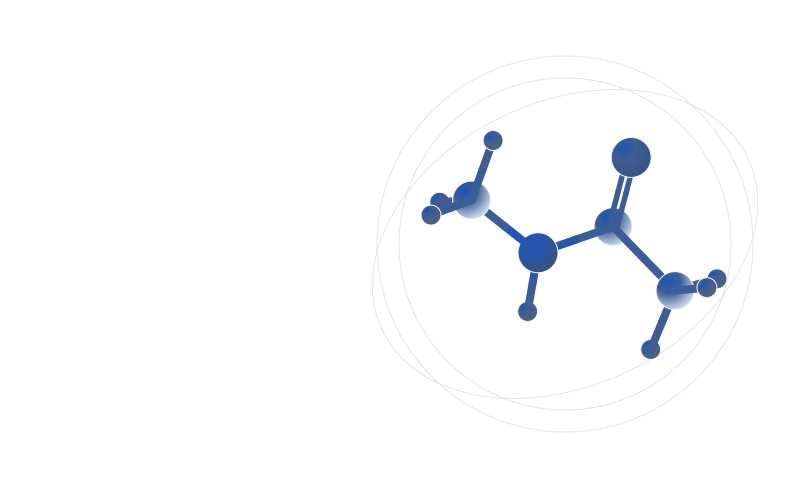
Propose pyridine derivatives, optimize their structures, calculate binding energies and decompose the interactions, then explain the results using the molecular structures.
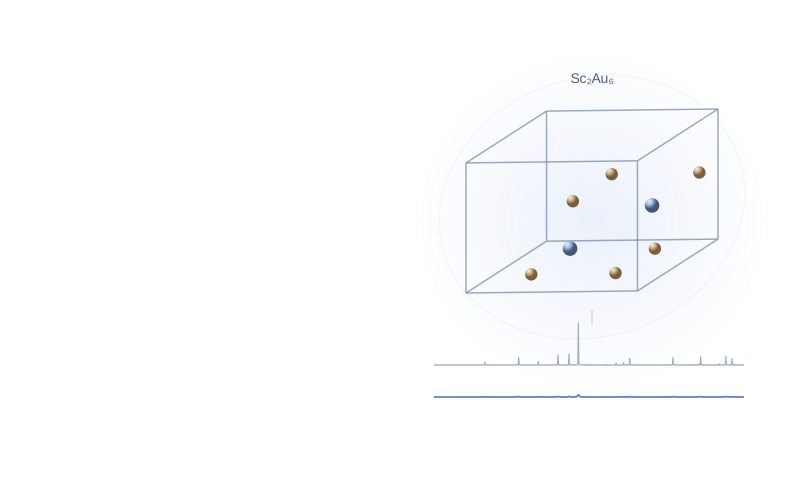
Review refinement candidates with linked structures and spectra, tracking parameter changes and acceptance decisions.
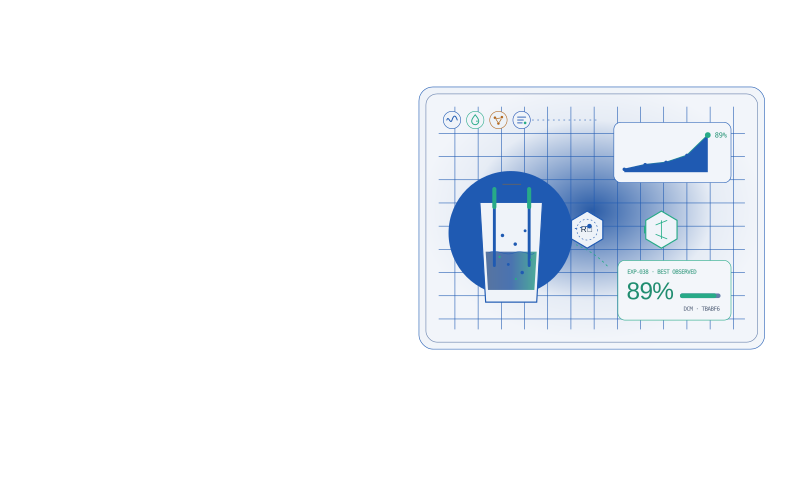
Use historical experiments and a causal graph to explore candidate conditions, with five feedback rounds and the best observed conditions.
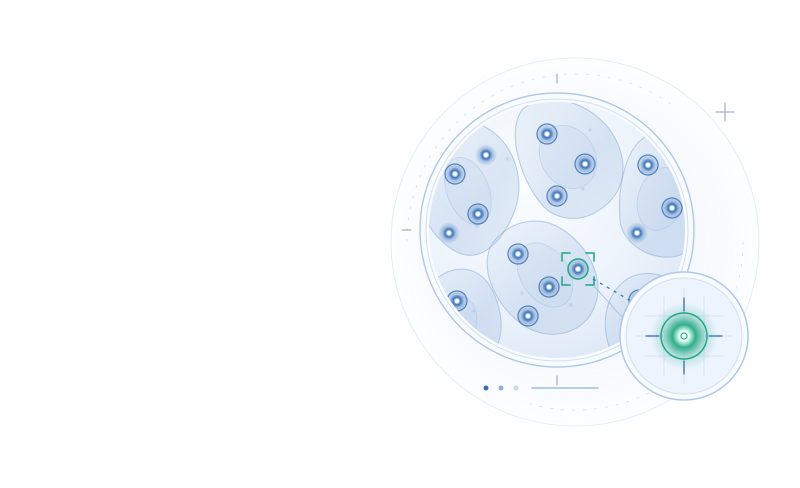
Follow eight optimization submissions across nine datasets, then compare reference spots, matched detections and errors in four retained microscopy fields.
The model is trained with a domain-grounded knowledge-action graph that turns agent process traces into trainable targets.
Aligns the base model with broad agentic behaviors across search, engineering, research, tools, and instructions.
Captures specialized expertise for each domain, giving the final model stronger and more varied supervision.
Transfers expertise across heterogeneous domains with optimization designed for efficient knowledge transfer.
Sage-A1.5 can be served through SGLang or vLLM with OpenAI-compatible endpoints
at http://localhost:8000/v1.
python -m sglang.launch_server \
  --model-path Alpha-Innovator/Agents-A1.5 \
  --port 8000 \
  --tp-size 1 \
  --mem-fraction-static 0.8 \
  --context-length 262144 \
  --reasoning-parser qwen3 \
--tool-call-parser qwen3_codervllm serve Alpha-Innovator/Agents-A1.5 \
--port 8000 \
--tensor-parallel-size 1 \
--max-model-len 262144 \
--reasoning-parser qwen3 \
--enable-auto-tool-choice \
--tool-call-parser qwen3_coderUse the model card for release details, the repository for scripts, and the open evaluation framework for reproducible agent capability testing.